
Slavery and its Legacies
is an AHRC-funded research project that brings together a diverse team of curators, filmmakers, anthropologists, sociologists and historians from Ghana, Brazil, Domica and Britain to creatively explore how histories of Atlantic slavery are remembered, mobilised and contested among communities impacted by its legacies.
Research on the development and nature of Atlantic slavery reveals multiple injustices and experiences across the globe. These experiences hold different meanings in different contexts and among different communities, especially those communities that are negatively impacted by the system. Amidst such divergence, histories of Atlantic slavery become a nexus of contestations concerning how to best commemorate such pasts. It is amid this generative space of contestation and diverse meaning making that the Slavery and its Legacies project does is at work.
In the run up
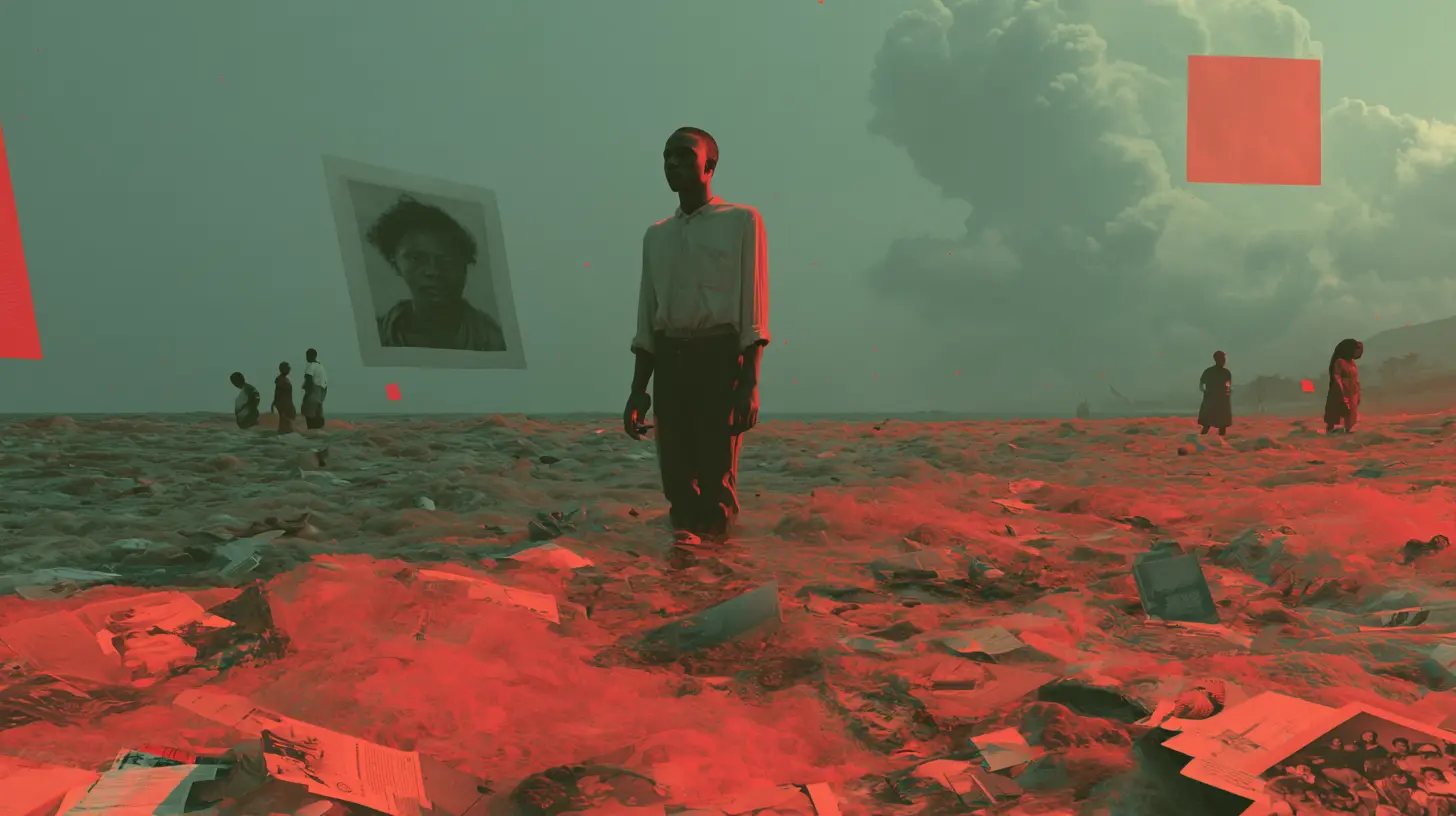
To the bicentennial of the British abolition of the slave trade (2007), there were many in Europe and the US that assumed that there was a ‘we’ who agreed on the defining wrongs of enslavement, and appropriate ways in which to represent it in museums, heritage sites and other public spaces, and by whom. Today, such assumptions are publicly contested in multiple ways. Protest movements, from Rhodes Must Fall, to Black Lives Matter, to the Repair Campaign, have foregrounded the foundational role of racial slavery in the development of the modern social and political order in Europe and the United States, and its continuing legacies on impacted communities. This has prompted a questioning of the ways in which the past of slavery and antislavery, and the continuing afterlives of slavery, are (or are not) publicly narrated, visualised and memorialised.
Recent shifts in museum
work have seen the centring of audience authority and participatory practice, leading to audience-led content creation communities. Yet the voices among those in the Global South who experience enslavement’s living legacies have been largely absent from the conversations that prompted such shifts. Narratives of transatlantic slavery are neither fixed nor settled in a definite and singular past but are contested both between and amongst those who - in the present - are differently positioned by slavery’s past, and who envisage different futures. As Stuart Hall once stated, everything historical is ‘subject to the continuous ‘play’ of history, culture and power’ (Hall, 1990: 225).
Evidently, the recognition of slavery as ‘a past that has not passed’ (Trouillot, 1995) has become a popular concern for many cultural institutions. Today museum curators are asking how museums and other sites of memory can illuminate, repair or redress the wound that was born with capitalist modernity (Cardonna, 2021). Recognising the inescapable entanglement of past, present and future, scholars have also begun to ask: What do we desire from the past? What do we hope to recover?’ (Connolly and Fuentes, 2016: 115) and what is the story of slavery that ‘we ought to tell out of the present we ourselves inhabit?’ (Best and Hartman, 2005: 5).
Our mission is
to include and amplify lesser-heard voices and perspectives from South and North by researching, devising and evaluating new ways of curating the material culture and sites of memory associated with Atlantic slavery. Fundamentally our approach seeks decolonial practice whilst drawing upon the inclusive team-convening ideals of the Thrive research model.
Slavery and its Legacies animates and complicates the above questions by attending to diversity within and between 4 countries - Ghana, Brazil, Dominica and Britain - and between specific regions, communities or sites within them. Though Ghanaians, Brazilians, Dominicans, and Afrodiasporic people in Britain may each inhabit ‘in the wake’ of slavery (Sharpe, 2016), we are interested in the particularities of these histories, how these ‘afterlives' (Hartman, 2001) of enslavement are made sense of, and how, guided by such diversity, slavery’s past can be (re)imagined and represented.
In Ghana, Brazil, Dominica and Britain, the team will interrogate the relationship between divergent histories and afterlives of slavery, and the social and political struggles around memories and narratives of slavery that continuously unsettle or return to this unsettled/unsettling past. The project attends to the significance of gender in shaping histories of enslavement and contemporary representations of the past. We also attend to histories of marronage or aquilombar, which afford divergent lens on the entanglement of pasts, presents and futures.
Hence, we ask:
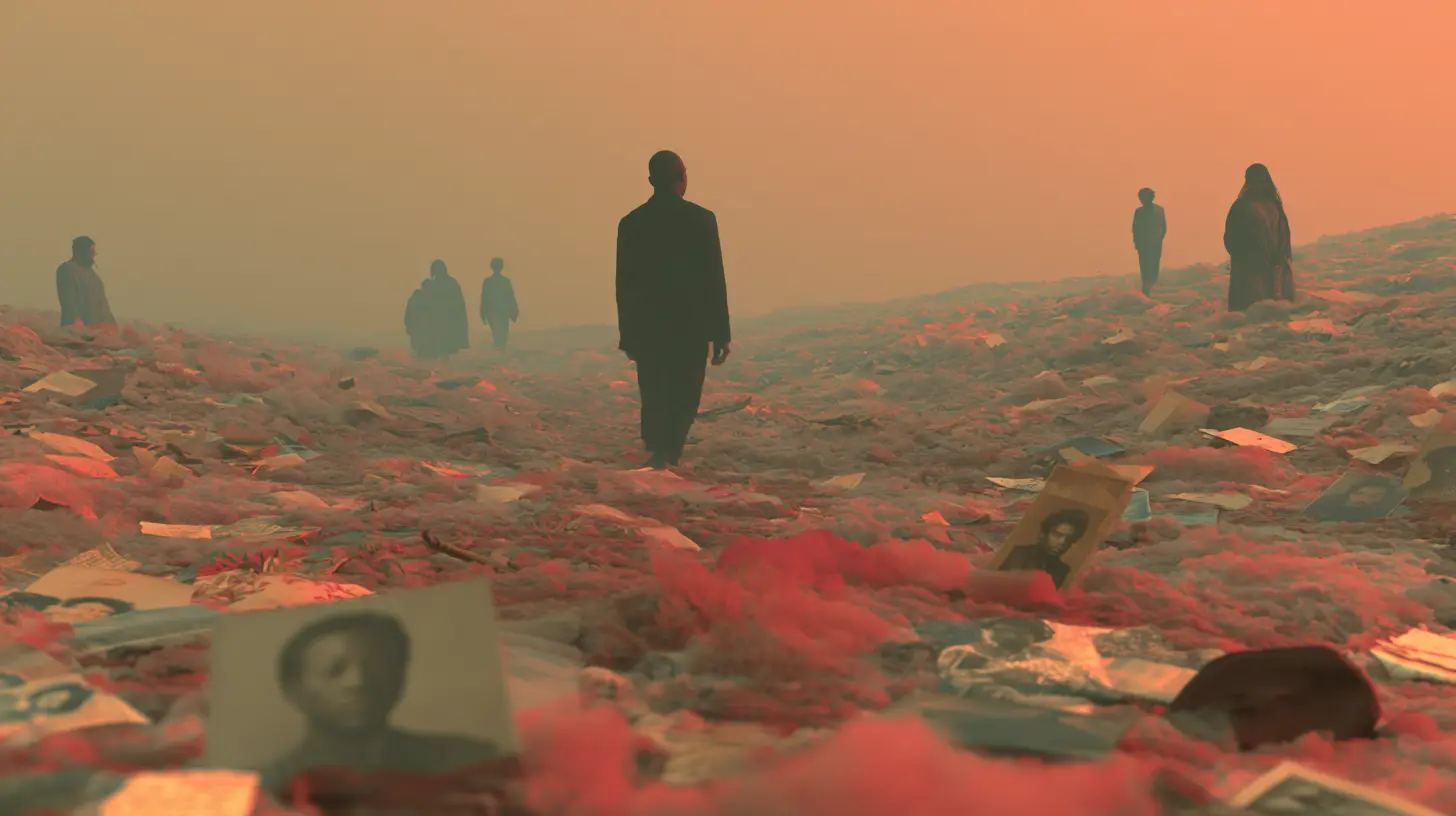
What does the absence of a singular past, a singular present, a singular ‘we’ to tell the story of slavery or to make claims on the past, mean for curators charged with interpreting the material culture associated with transatlantic slavery for the public?
The project also asks how stories of slavery can be told. Amidst the partiality and patchiness of colonial archives, curators are forced to work with absences and loss. Through critical dialogue on questions of injury, repair, justice and closure, Black-studies scholarship has identified ‘material absence not as a stopping point but rather as an opportunity for creative approaches’ (Van Horn, 2024). The team will build on these insights and track the restless objects curators work with. Materials that decay over time; buried remains that are unearthed; loaned objects in museum collections that are returned.
The museumised objects, heritage sites, and even landscapes (Glissant, 1989) available for meaning-making and storytelling are also transformed through ‘the play of time, culture and power’, continuously generating new curatorial challenges.
The voices of communities most sidelined by slavery are often missing from academic, professional and public debate on curatorial practice. Building on recent research on how museums develop and function alongside other technologies of containment such as prisons, asylums and zoos, we ask whether new curatorial practices can help to re-connect people and function as technologies of freedom. Methodologically, the project will mobilise collaborative object-based learning and participatory filmmaking including with marginalised communities in each country towards more equitable knowledge making and sharing practices.
collaborative object-based learning and participatory filmmaking including with marginalised communities in each country towards more equitable knowledge making and sharing practices.
Methodologically, the project will mobilise collaborative object-based learning and participatory filmmaking including with marginalised communities in each country towards more equitable knowledge making and sharing practices.
Through such practices we seek curatorial approaches that also think beyond the object and away from traditional conventions of curatorial authority and hierarchy.
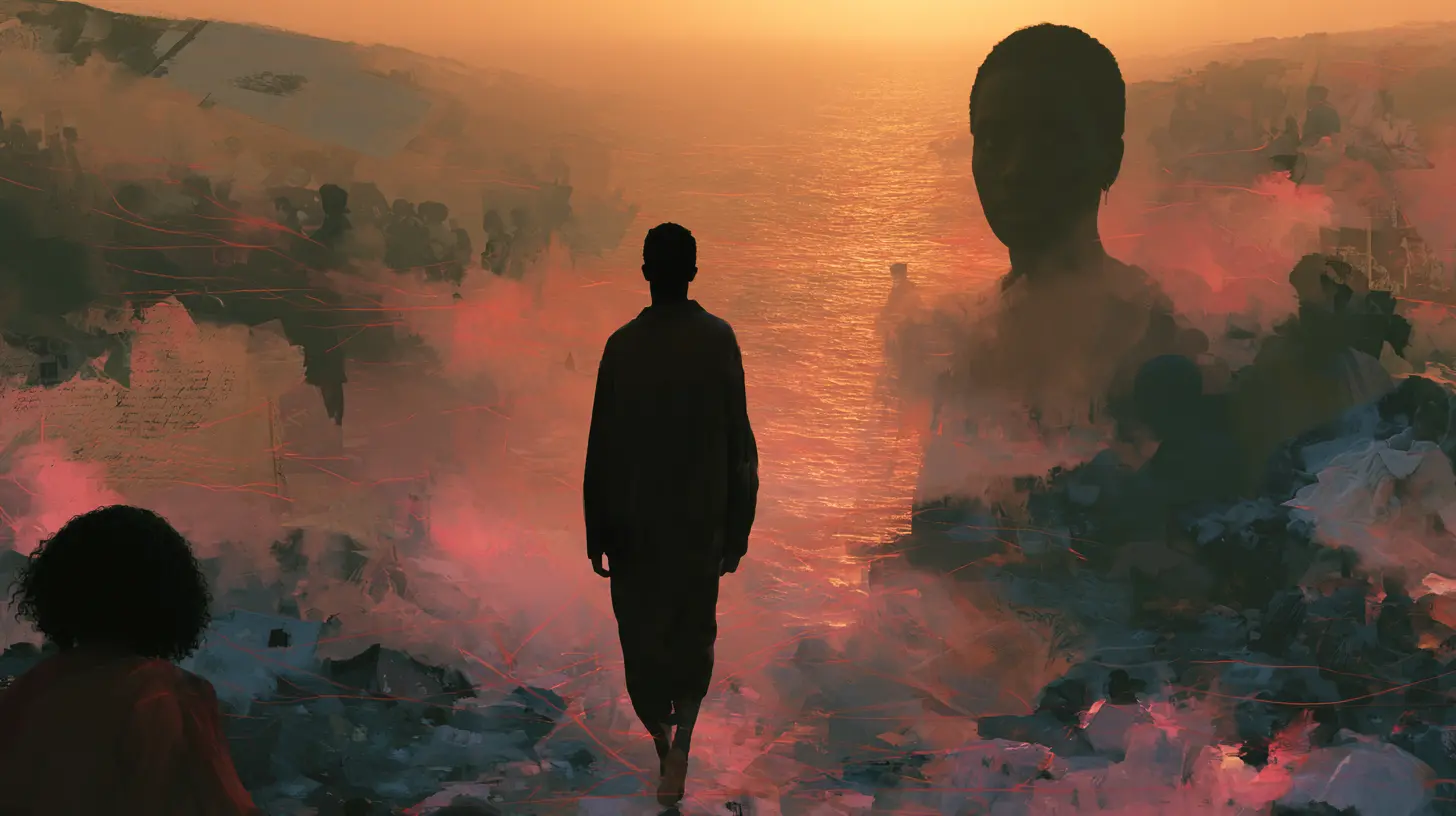
Slavery and its Legacies has been co-developed by Global South and North scholars, curators and filmmakers who contend with the many challenges enslavement presents across Ghana, Brazil, Dominica and Britain. The project seeks to put its emergent knowledges/practices to work, as museums in 3 of its locations will be redeveloping slavery exhibitions during the project timeline. Hence, project findings will feed directly into these processes, affording a ‘Process in Practice’ feeding of our research into our curatorial practice and opening opportunities for reflection, feedback and their future adoption beyond the project.
--------
Best, S. and Hartman, S. (2005) Fugitive justice. Representations, 92
Caradonna, V. (2021). ‘All the things happening outside of the museum push me back in’: thinking through memory and belonging in Amsterdam’s Tropenmuseum. International Journal of Heritage Studies, 28
Connolly, B. and Fuentes, M. (2016). ‘Introduction: From Archives of Slavery to Liberated Futures?’ History of the Present, 6
Glissant, E. (1989) Caribbean Discourse: Selected Essays, University of Virginia Press.
Hall, S. (1990) "Cultural Identity and Diaspora", in Identity, Community, Culture, Difference
Hartman, S. (2001) Lose Your Mother
Sharpe, C. (2016) In the wake: On blackness and being.
Trouillot, M. (1995) Silencing the Past
Van Horn, J. (2024) ‘An “Active Absence”: the Materiality of Lost Images’.